Bodyweight Training: A Clear Guide To Getting Started
By:Author:Calistway Editorial
Updated on:October 16, 2026
- Does Outdoor Bodyweight Training Actually Work?
- Why This Beats the Harder Alternative
- The Quantity Question: How Much Do You Need?
- The Practical Question: What Do You Actually Do at the Park?
- Progressive Overload: What's Useful and What's Arbitrary
- Outdoor Training vs Other Ways to Train: The Decision You're Weighing
- The Forbidden Promise, Answered Honestly
- Factors That Change the Result
- How Long Until You See Results?
- Your First Four Weeks
- What Stalls Progress
- Why Calistway Works for This
- Final Thoughts
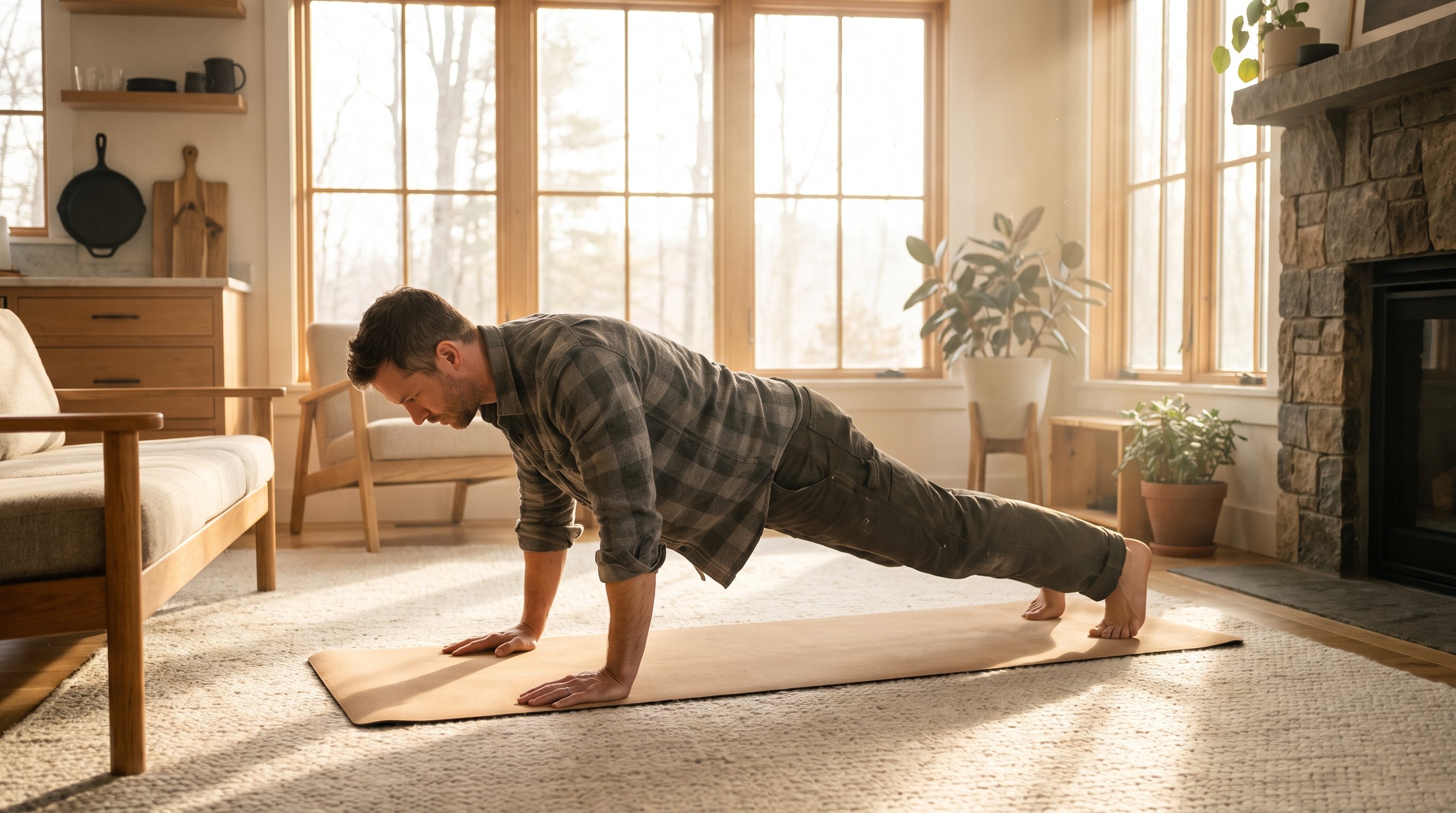
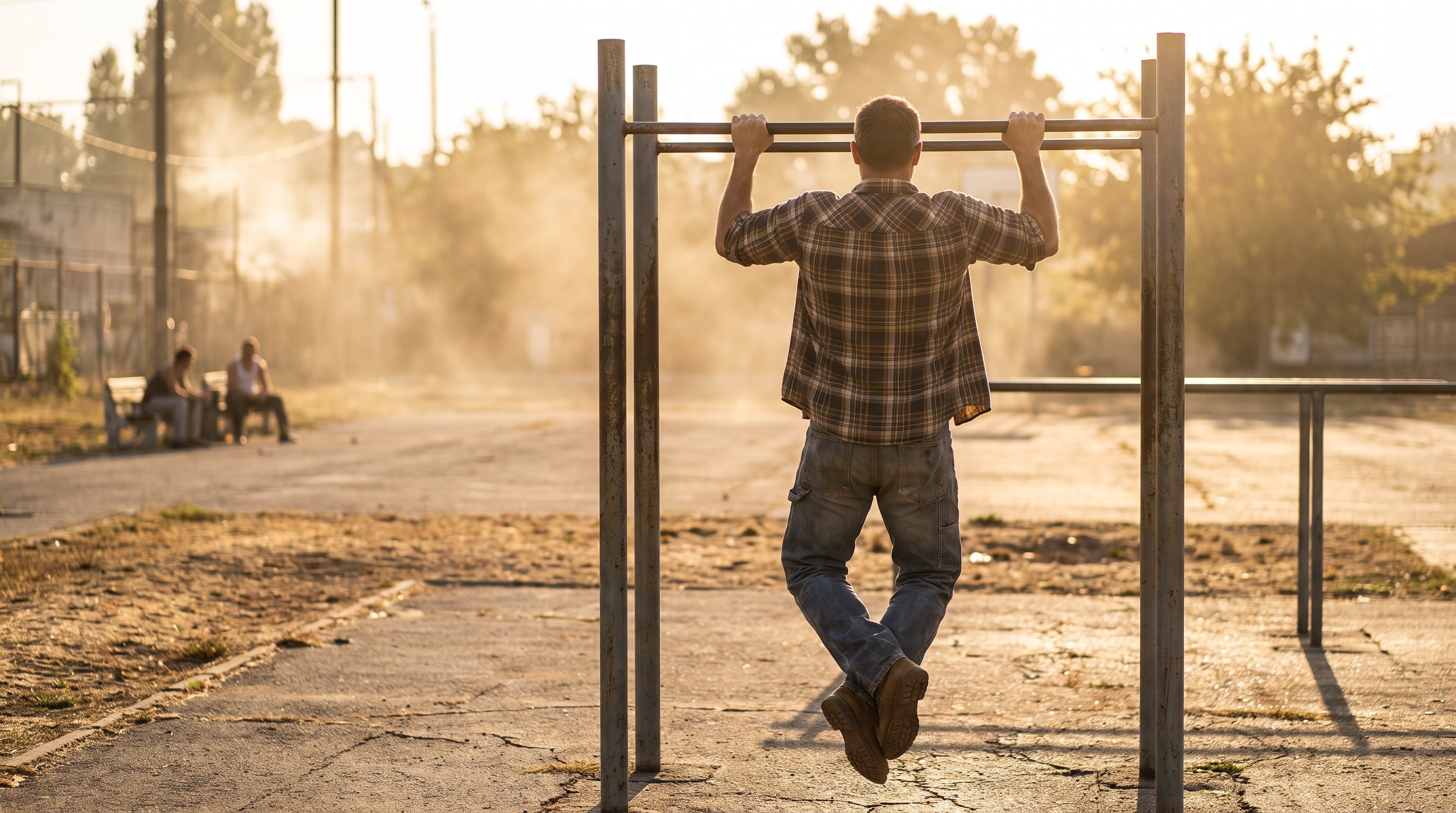
Bodyweight training outdoors is exercise done on public equipment - pull up bars, parallel bars, benches - usually in parks and usually free.
The mechanism is simple: your own weight becomes the resistance, and gravity plus body angle decide how hard each move feels. Change your body position or the angle of a bar and the same exercise gets harder or easier without adding a single plate.
This guide covers whether it works, how much you actually need, a first-month plan, the things that stall progress, and where a structured app fits in when the park alone isn't enough.
Does Outdoor Bodyweight Training Actually Work?
The mechanism behind it is basic physics. Pulling your own bodyweight up to a bar, or pushing it away from the ground, forces your muscles to produce force against real resistance - there's no getting around that.
The honest arithmetic: if you do 3 sets of 8 pull ups, that's 24 pulls of your full bodyweight per session. Do that twice a week for a month and you've asked your back and arms to move your bodyweight roughly 192 times.
That volume builds strength over time, the same way any progressive resistance training does. What it can't do is decide where your body stores or releases fat - that's decided by the body as a whole, not by which muscle worked hardest.
Why This Beats the Harder Alternative
The harder alternative is a gym membership, a commute, and equipment you have to learn before you can use it well.
Training at outdoor bars removes most of those friction points. A bar in a park near your home is available at 6am or 9pm, costs nothing per visit, and doesn't require booking a slot.
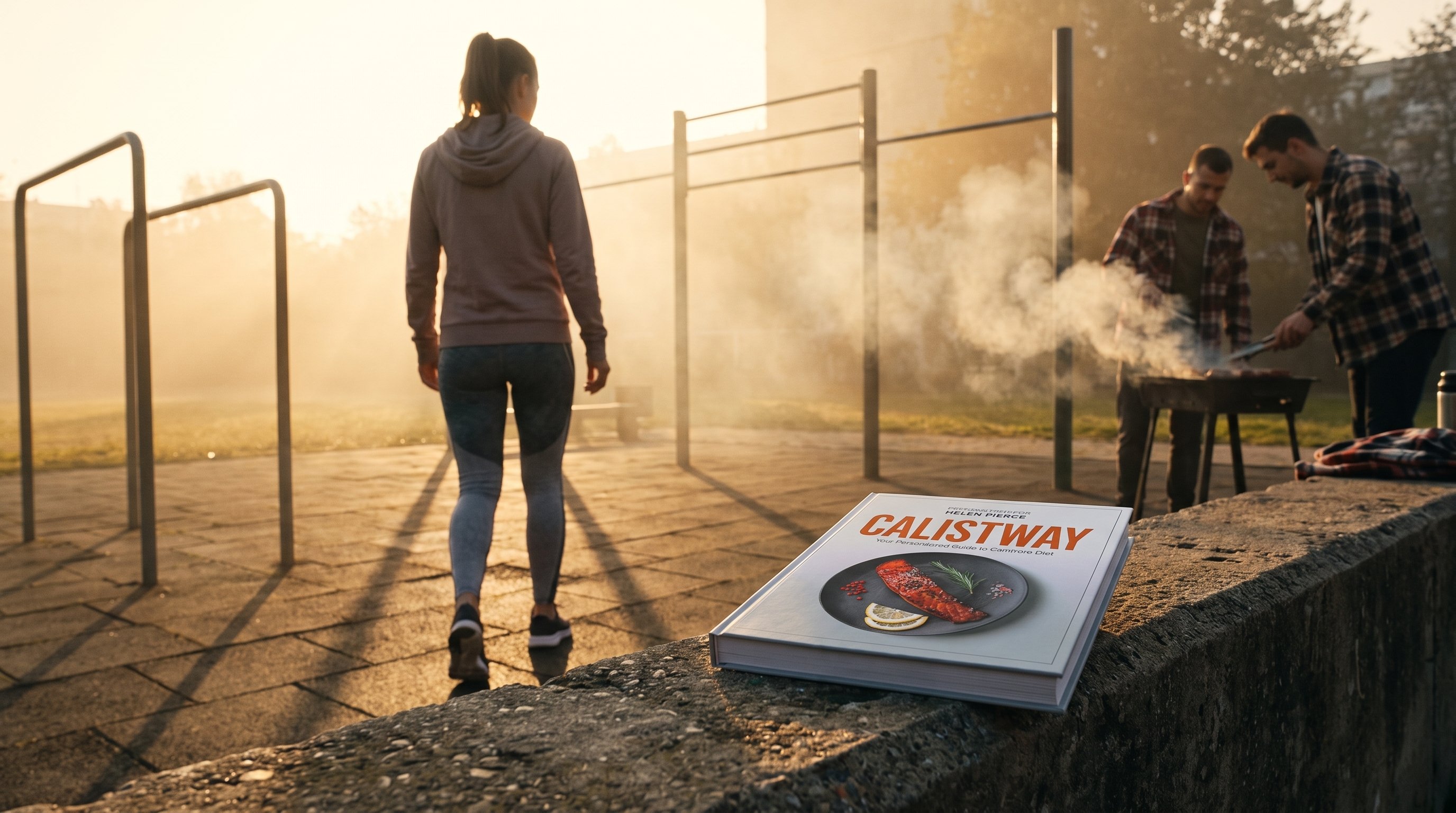
Fewer barriers means more sessions actually happen, and sessions completed is what drives change - not how intense any single one felt.
A missed gym session because the car wouldn't start doesn't happen with a park five minutes from your door. Removing that friction is often the real difference between a routine that sticks and one that quietly stops.
The Quantity Question: How Much Do You Need?
There's no single number that suits everyone, because it depends on your current strength, your available time, and how your body recovers between sessions.
What matters more than any specific rep count is a pattern you can repeat week after week without dreading it.
Find Your Own Number
Start with a session length and frequency you can genuinely commit to for a month, then adjust reps and sets once that habit is steady.
| Starting Point | Frequency | What To Focus On |
|---|---|---|
Complete beginner | 2 sessions per week | Learn positions, low reps |
Some experience | 3 sessions per week | Build reps and sets |
Comfortable mover | 3-4 sessions per week | Harder variations |
Time-limited | 2 short sessions | Fewer moves, done well |
Pick the row that matches how your week actually looks, not how you wish it looked - realistic beats ambitious every time.
The Practical Question: What Do You Actually Do at the Park?
Most first visits fail for the same reason: no plan, no order, and no idea what to do once the pull ups run out.
A short list of moves - a pull, a push, a squat, a core hold - repeated in a fixed order removes that guesswork and turns a vague trip to the park into an actual session.
This is where having a workout plan tailored to your current level, rather than copying whatever move looks impressive online, makes the difference between progress and frustration.
Calistway builds a calisthenics plan around where you're actually starting from, so the moves you do at the bar match your fitness level instead of someone else's highlight reel.
Progressive Overload: What's Useful and What's Arbitrary
Progressive overload is the idea that you keep the challenge rising - more reps, a harder variation, less rest - so your body keeps adapting instead of coasting.
What's genuinely useful about it: without some form of increasing demand, a body that's adapted to a movement stops changing in response to it. That part holds up.
What's arbitrary is the idea that progress has to be linear or fast. Some weeks you'll add a rep, some weeks you'll just repeat what you did last week and that's still a session that counts.
Outdoor Training vs Other Ways to Train: The Decision You're Weighing
Most people choosing between training styles are really weighing cost, convenience and how much structure they need to actually show up.
| Option | Cost | Structure |
|---|---|---|
Outdoor bar training | Free | Bring your own plan |
Gym membership | Monthly fee | Equipment provided |
Home bodyweight | Free | No equipment needed |
Personal coaching | Higher cost | Fully guided |
Fitness app plan | Low monthly fee | Structured, flexible location |
Outdoor training wins on cost and access, but it leans on you to bring the plan - that's the trade-off worth being honest about upfront.
The Forbidden Promise, Answered Honestly
No, doing more pull ups will not burn fat off your arms, and no amount of squats targets fat on your legs specifically.
The body decides where it stores and releases fat as a whole system, not exercise by exercise - there's no honest way around that fact.
There's also no overnight version of this. What movement plus a sensible eating pattern can genuinely do is build strength and support a body composition change over time, without a fixed date attached to it.
Factors That Change the Result
A few things matter more than the rest for how training actually pays off.
What Moves the Needle Most
- Sessions completed per month - three shorter sessions done consistently beat one long session followed by two skipped weeks.
- What you eat around training - movement alone is slow to show change without a nutrition pattern that supports it.
- Recovery between sessions - sleep and rest days let the muscle actually adapt to what you asked it to do.
How Long Until You See Results?
This is where most people quit - the first few weeks where effort feels high and visible change feels low.
Strength adaptations tend to show up in how a movement feels before they show up in the mirror - a pull up that felt impossible in week one often feels manageable by week four, even before anything looks different.
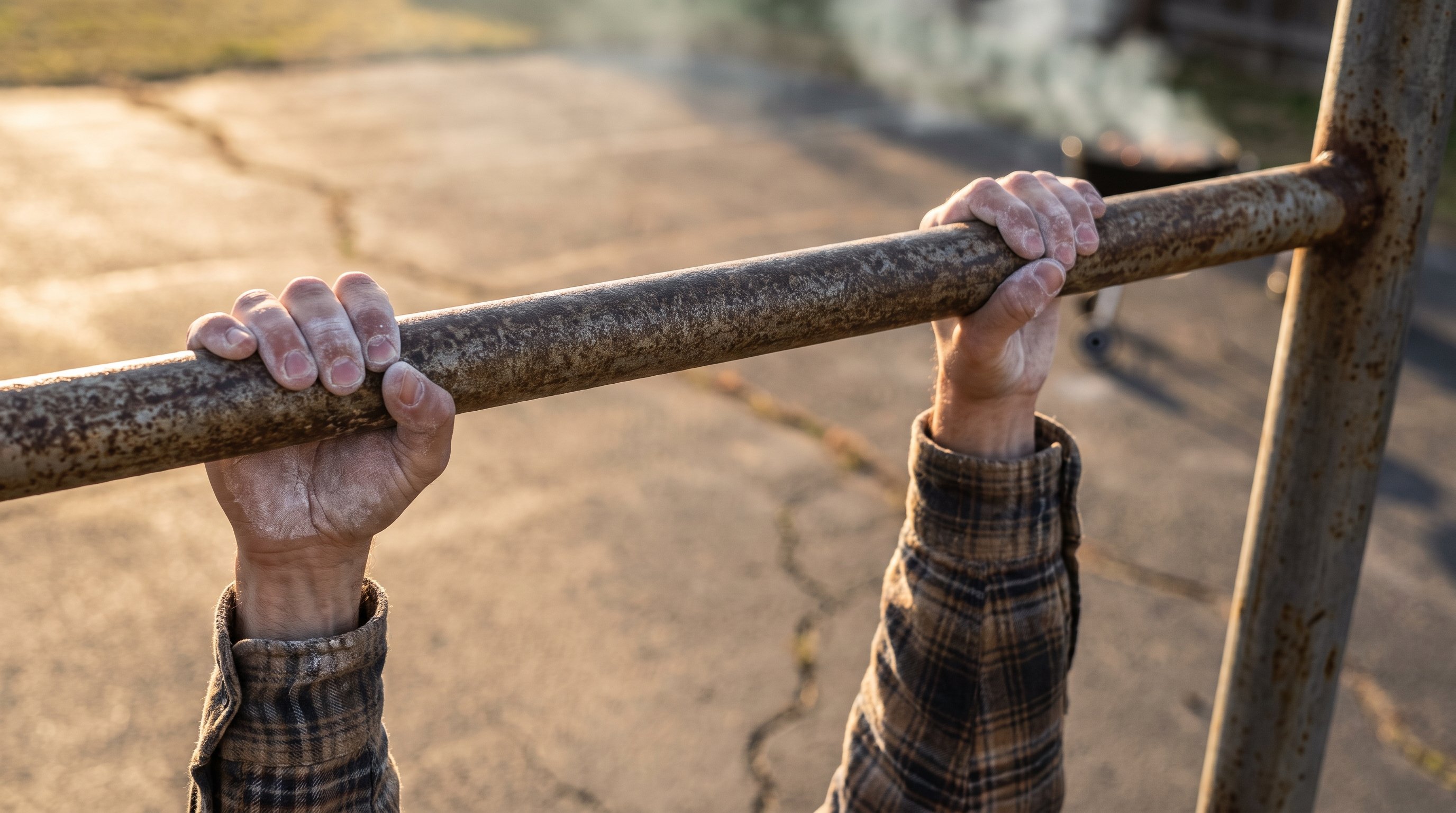
Staying vague on exact timing is the honest answer here, because it depends on your starting point, consistency and eating pattern - anyone promising a fixed number of weeks is guessing.
Your First Four Weeks
The order of these weeks matters more than the exact numbers in them.
| Week | Focus | Goal |
|---|---|---|
Week 1 | Learn the bars and moves | Show up twice |
Week 2 | Repeat, add one rep | Show up three times |
Week 3 | Add a harder variation | Notice easier lifts |
Week 4 | Review and adjust plan | Lock in a routine |
Weeks one and two are about building the habit, not the muscle - the muscle part follows once the habit holds.
What Stalls Progress
Starting Too Hard
Jumping straight to advanced moves leads to soreness that makes you skip the next session - start easier than your ego wants.
No Plan at the Bar
Standing at the pull up bar deciding what to do wastes energy and motivation - write your moves down before you leave home.
Ignoring Food Entirely
Movement without any attention to what you eat is slow to show change - even small, consistent meal adjustments help.
Weather and Access Gaps
Outdoor training has obvious gaps in bad weather - having a home or indoor backup keeps the streak alive.
No Way to See Progress
Without tracking, week four looks the same as week one even when it isn't - write down reps or check them somewhere consistent.
Why Calistway Works for This
Outdoor bars give you the equipment, but they don't give you a plan, a meal structure, or a way to see if week four actually beat week one.
Calistway fills that gap with a calisthenics plan tailored to your level, a meal plan built around food you already like, and trackers for weight, water and steps so progress isn't just a feeling - it's something you can actually see.
Challenges built into the app add a reason to show up on the days motivation alone won't cut it, and guides on nutrition and habits fill in the parts a park bench never explains.
Final Thoughts
Bodyweight training at a park bar is one of the cheapest, most accessible ways to get stronger, and its biggest strength is how few excuses it leaves you with.
Pair it with a plan you actually follow and a meal pattern that supports it, and Calistway can help hold both pieces together while you build the habit.
FAQ
A pull up bar and a flat surface for push ups and squats cover most of it, and both exist free in almost any public park. Beyond that, bodyweight alone is the resistance, so there's nothing else to buy to begin.
The flashy moves people share online are the advanced end of a very long ladder that starts with basic pulls, pushes and holds. Anyone can start at the bottom of that ladder regardless of current fitness level.
Most of the core moves - push ups, squats, planks, lunges - need no bar at all and work fine on any flat floor. Calistway's home-based calisthenics plan is built for exactly this situation, no outdoor equipment required.
The early weeks feel effortful with little visible payoff, and that gap is where most people stop before adaptation catches up. A written plan and some form of tracking make that quiet middle stretch easier to push through.
Share this post