Calisthenics Workout: How Bodyweight Training Beats the Gym
By:Author:Calistway Editorial
Updated on:September 30, 2026

- Does a Calisthenics Workout Actually Work?
- Why This Beats the Harder Alternative
- The Quantity Question: How Much, How Often
- The Practical Question: How Do You Stick With It
- Comparison: Bodyweight Training vs the Gym
- The Forbidden Promise, Answered Honestly
- Levers That Change the Result
- How Long Until You See Results?
- Your First Four Weeks
- What Stalls Progress
- Why Calistway Works for This
- Final Thoughts
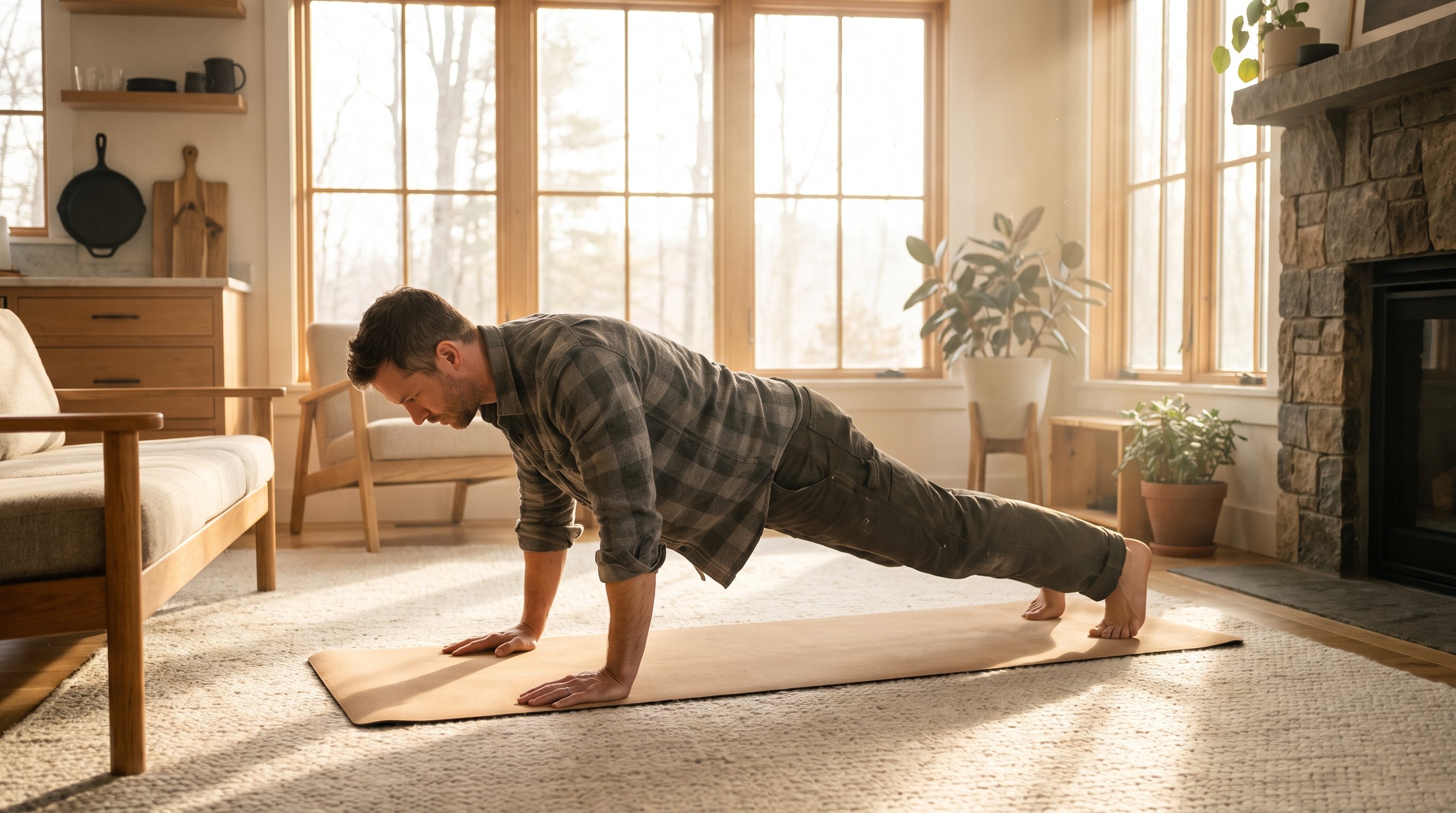
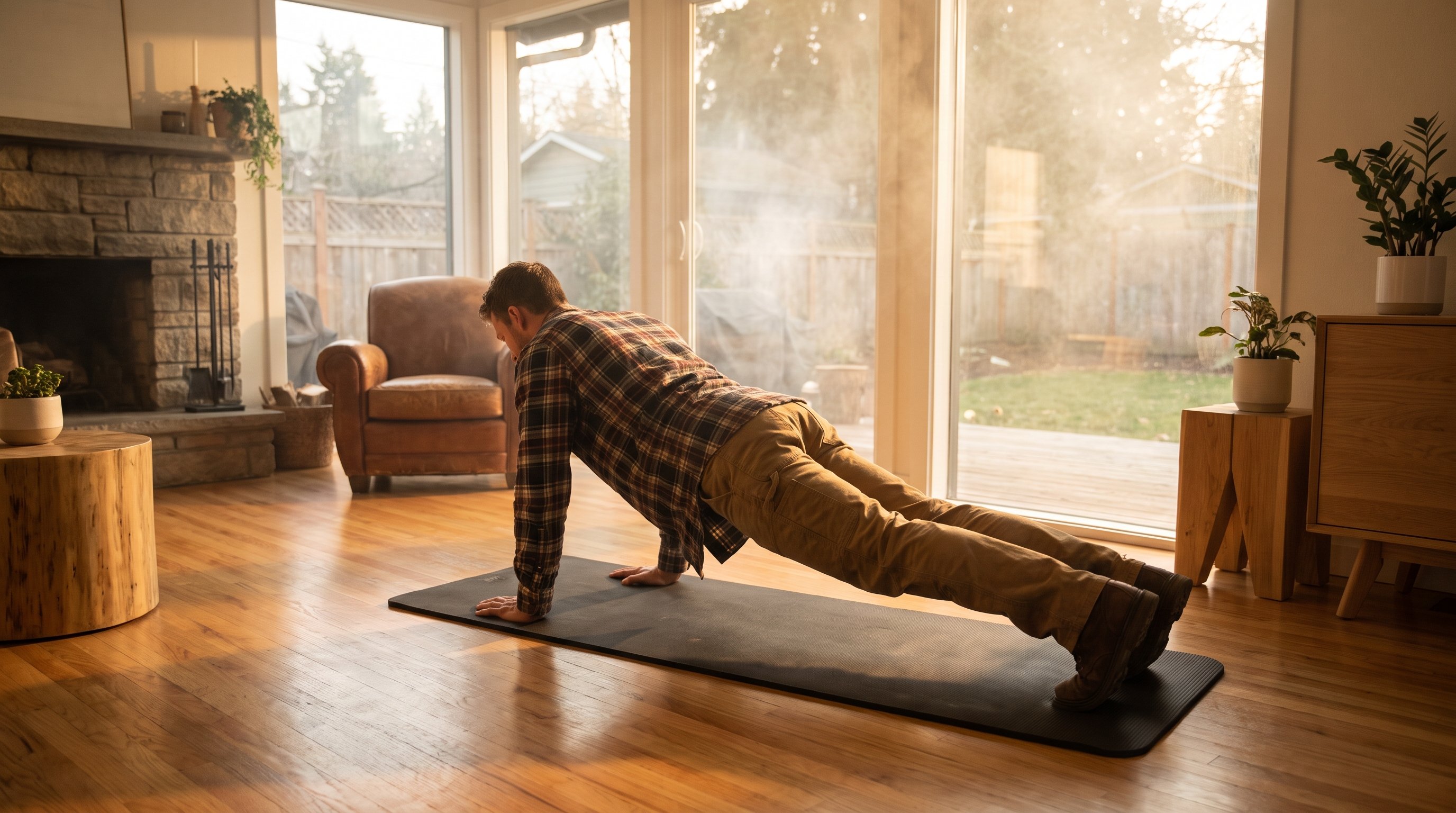
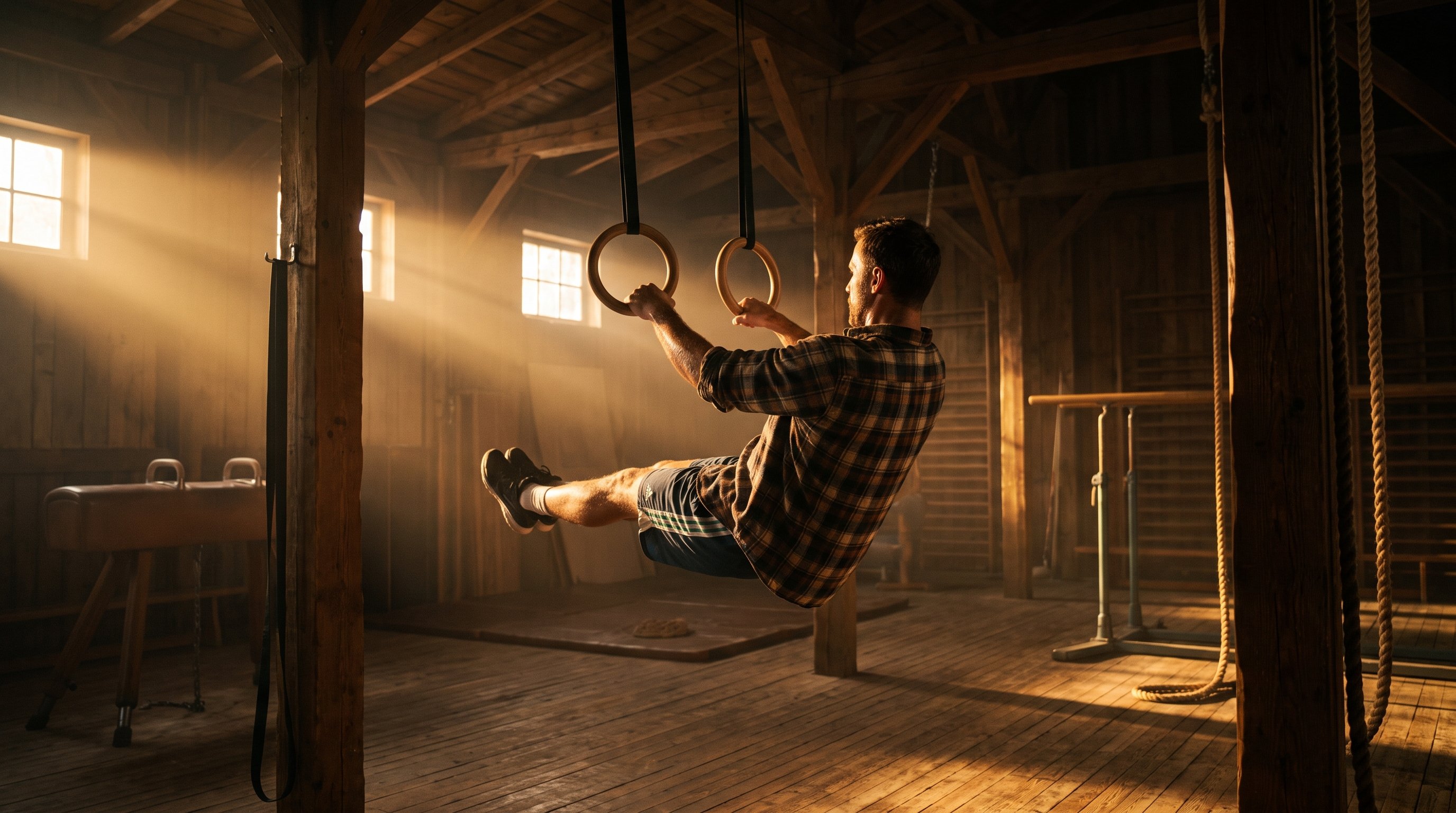
A calisthenics workout uses your own bodyweight for resistance - push ups, squats, rows, planks - and it works because muscles respond to tension and repetition, not to the brand of equipment creating it.
The mechanism is simple: load a muscle group beyond what it is used to, give it time to recover, and it adapts by getting stronger. No bar, no bench, no membership required for that to happen.
This guide covers whether bodyweight training actually works, how much of it you need, what a first month looks like, and where most people quietly fall off before results show up.
Does a Calisthenics Workout Actually Work?
Yes - and the honest reason is arithmetic, not magic. A push up moves a percentage of your bodyweight through a range of motion, and that load is enough to challenge chest, shoulders and triceps for most beginners.
A squat does the same for legs and glutes, using your full bodyweight as the resistance instead of a loaded bar.
The body cannot tell the difference between resistance from a dumbbell and resistance from gravity acting on your own mass - tension is tension.
Where bodyweight training falls short on its own is nutrition: movement builds and maintains muscle, but body composition change also depends on what you eat, and no amount of push ups rewrites that half of the equation.
Why This Beats the Harder Alternative
The best training plan is the one you actually finish, and bodyweight exercise removes almost every excuse that stops people finishing one.
No gym commute, no waiting for equipment, no membership fee standing between you and a 20-minute session on a Tuesday evening.
Fewer Steps Between You and Starting
A gym session needs a bag packed, a drive or a bus, and a locker before the first rep happens. A bodyweight routine needs floor space and a spare 20 minutes.

Sessions Completed Beats Sessions Planned
A demanding gym routine you skip twice a week does less for you than a simpler bodyweight routine you finish four times a week. Frequency compounds - intensity you cannot sustain does not.
The Quantity Question: How Much, How Often
There is no single correct number of workouts, but there is a floor below which progress gets very slow and a ceiling beyond which recovery starts to suffer.
Somewhere between three and five sessions a week, with a rest day worked in, covers most goals without asking for a heroic amount of time.
Find Your Own Number
Start at the low end of a range and only add sessions once the current number feels easy to keep, not once it feels easy to do once.
| Your Situation | Weekly Frequency | Session Focus |
|---|---|---|
Just starting out | 3 sessions a week | Full body, short sessions |
Building consistency | 4 sessions a week | Full body, alternate emphasis |
General strength | 4 to 5 sessions | Split by muscle group |
Time-limited weeks | 2 sessions minimum | Full body, keep it moving |
The Practical Question: How Do You Stick With It
Knowing the right frequency is one thing - actually remembering which exercises to do, in what order, and whether you did more last week is another.
Most people who quit a training routine do not quit because it stopped working, they quit because they stopped knowing what to do next and the guessing got tiring.
This is where a tailored bodyweight training plan earns its place - Calistway builds one around your current fitness and goals, so each session is decided before you get to the floor, and progress trackers for weight, water and steps sit in the same place so you are not juggling three apps to see if any of it is working.
Comparison: Bodyweight Training vs the Gym
Both approaches build real strength - the decision usually comes down to cost, time and how likely you are to keep going.
| Factor | Calisthenics | Gym Training |
|---|---|---|
Cost | Free or low cost | Ongoing membership fee |
Time to start | Under a minute | Travel time each session |
Equipment needed | None required | Machines and free weights |
Progression method | Harder variations, more reps | Added external weight |
Consistency barrier | Low - do it at home | Higher - depends on access |
The Forbidden Promise, Answered Honestly
No bodyweight training burns fat from one specific area, and nothing genuinely tones a single body part on demand - the body does not choose where it uses stored energy from.
There is also no overnight version of any of this, and nothing here treats or reverses a medical condition.
The real answer is less exciting and more reliable: consistent full-body training plus a sensible approach to food changes how your whole body looks and performs over time, not one targeted zone of it.
Levers That Change the Result
Three things move the needle more than anything else, and they are listed here in order of impact.
What Actually Moves Results
- Sessions completed per month - four rushed weeks of showing up beats one perfect week followed by three skipped ones.
- What you eat most days - movement builds the case for change, food supplies the material for it.
- Gradual increase in difficulty - harder variations, slower reps or more sets keep the same exercises challenging over time.
How Long Until You See Results?
This is the point where most people quit, right before anything visible happens, because early progress is mostly invisible.
Strength improves before the mirror shows anything - you will likely notice an extra rep or a steadier plank before you notice a changed shape.
Stay vague about a date and specific about behaviour: keep showing up, keep the food sensible, and let the timeline be whatever it is for your body.
Your First Four Weeks
The order of these four weeks matters more than the exact numbers in them.
| Week | Main Focus | What To Do |
|---|---|---|
Week 1 | Learn the movements | Push up, squat, plank, row - form first |
Week 2 | Add a session | Same exercises, one more day |
Week 3 | Add difficulty | Slower reps or harder variation |
Week 4 | Review and adjust | Check what felt sustainable, keep it |

What Stalls Progress
Starting Too Hard
A brutal first week that leaves you sore for five days teaches your body to dread the next session. Start easier than feels necessary and let frequency do the work.
No Plan for the Next Session
Deciding what to do on the spot is exhausting and it is why routines quietly die. Write the week down in advance, or let a plan do that deciding for you.
Ignoring Food Completely
Training builds the muscle and the case for change, but food is the other half of the equation for how your body actually looks. A workout routine without any attention to meals is working at half capacity.
Judging Progress by the Mirror Alone
The mirror is slow and moody - it will not show a stronger plank or an extra rep. Track the numbers that move first: reps, sessions completed, water and steps.
Doing the Same Session Forever
A body that has adapted to a workout stops being challenged by it. Add difficulty gradually instead of repeating week one for six months.
Why Calistway Works for This
Everything above points to the same conclusion: bodyweight training succeeds on adherence, not intensity, and adherence needs a plan you do not have to build yourself every single week.
Calistway puts a tailored workout plan, a meal plan with recipes you would actually cook, progress trackers for steps and water and weight, and motivating challenges in one place, so the deciding is already done before you sit down to train.
Final Thoughts
A calisthenics workout does not need a gym, a subscription or a perfect week to start working - it needs sessions completed, difficulty added slowly, and food that supports what the training is trying to do.
If the hardest part has always been knowing what to do next, Calistway is built to answer exactly that question, one session at a time.
FAQ
Movement burns some energy and builds muscle that supports your metabolism, but weight change also depends heavily on what you eat. Treat training and food as two halves of the same plan rather than expecting one to cover for the other.
Bodyweight resistance is real resistance, and progression comes from harder variations, more reps or slower tempo instead of adding plates. Plenty of strength can be built this way before external weight becomes necessary at all.
A shorter session most days beats a long session once a week, since frequency matters more than session length. Even ten minutes keeps the habit alive on a genuinely busy day.
Motivation fades for almost everyone once the novelty wears off, which is exactly when a structured plan matters most. Calistway's challenges and trackers are built to carry you through that exact dip rather than leaving you to rely on willpower alone.
Share this post