Best Protein Sources: Whole Foods, Powders, and What Works
By:Author:Calistway Editorial
Updated on:October 16, 2026
- Do Best Protein Sources Actually Work?
- Why This Beats the Harder Alternative
- The Quantity Question: How Much Protein Do You Need?
- The Practical Question: How Do You Actually Hit Your Number?
- Comparison: Whole Foods, Powders, or Both?
- The Forbidden Promise, Answered Honestly
- Levers That Change the Result
- How Long Until You See Results?
- Your First Four Weeks
- What Stalls Progress
- Why Calistway Works
- Final Thoughts
There isn't one best protein source - there's a shortlist, and most people only need three or four of them on rotation to cover everything their body asks for.
Protein gets broken down into amino acids, which get used to repair muscle, support your immune system, and keep you feeling full between meals. Some foods deliver all the amino acids your body can't make on its own, some deliver most of them, and combining sources closes the gap either way.
This guide covers which foods actually earn a spot on your plate, how much protein you really need, why hitting that number consistently beats any single perfect meal, and where a meal planning tool fits into making it repeatable.
Do Best Protein Sources Actually Work?
The mechanism is simple: your body pulls amino acids from what you eat and uses them to rebuild muscle tissue after training, produce enzymes, and keep tissues functioning.
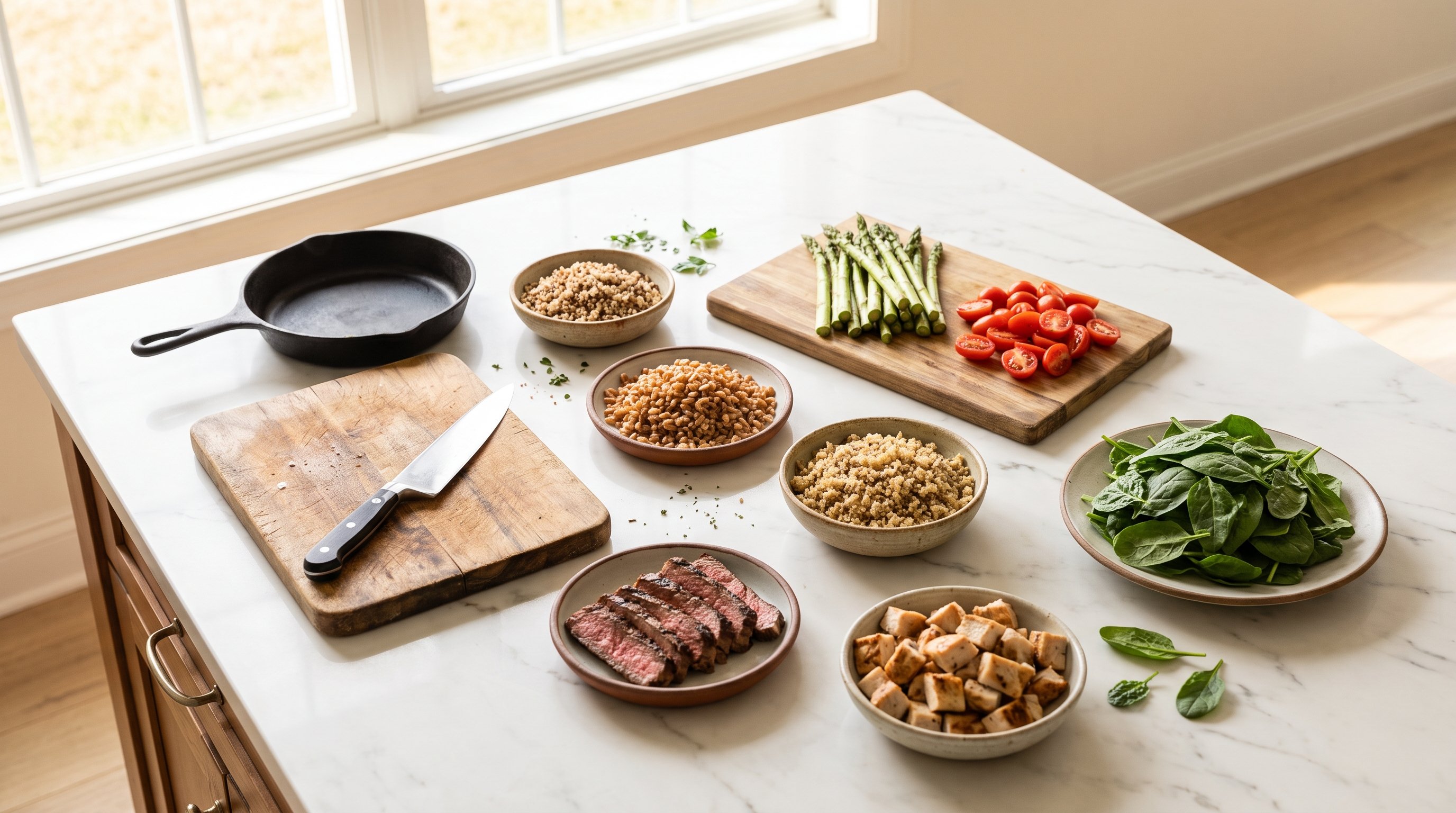
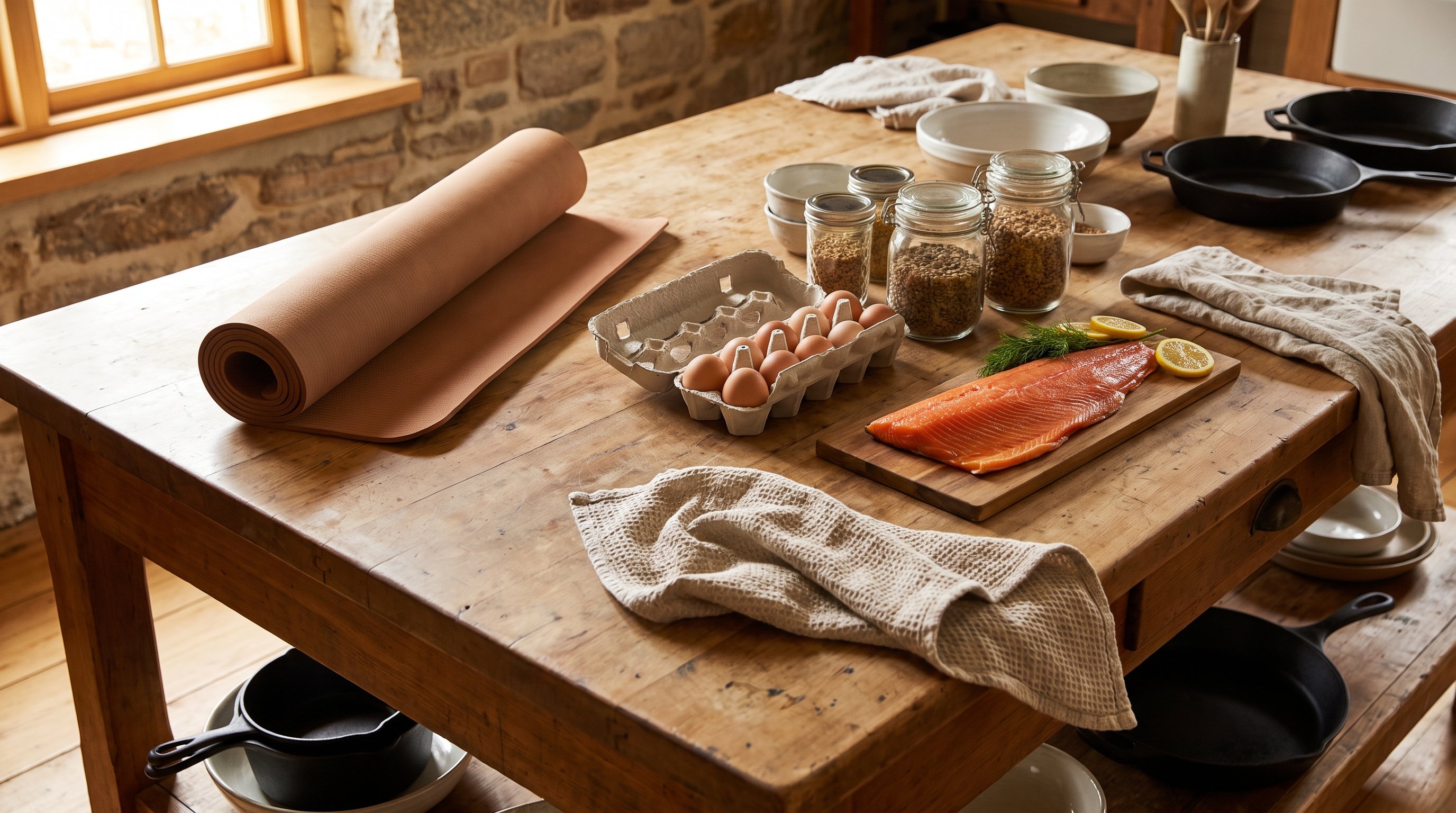
Foods like eggs, poultry, fish, dairy, legumes, tofu and lean meats supply those amino acids in different combinations and amounts per serving.
Here's the honest arithmetic: a 100g chicken breast has roughly 30g of protein, a cup of cooked lentils has around 18g, and two eggs have about 12g. Stack a few of these across the day and hitting a daily target becomes a matter of simple addition, not guesswork.
Why This Beats the Harder Alternative
The harder alternative is chasing a rigid, restrictive diet built around foods you don't actually enjoy - it looks precise on paper and falls apart by week three.
Eating from a wide list of protein sources - meat, fish, eggs, beans, dairy, tofu - means you can rotate meals based on what's in the fridge, what's on sale, or what you're in the mood for.

Adherence is the whole game here. A protein target you can hit five days a week for months beats a perfect plan you follow for four days and abandon.
Sessions completed, meals eaten, days logged - consistency at a moderate standard outperforms intensity you can't sustain.
The Quantity Question: How Much Protein Do You Need?
How much protein you need depends on your body weight, activity level, and goals, but there are practical ranges most people can work from.
Someone doing regular bodyweight or resistance training generally needs more than someone who is mostly sedentary, since muscle repair demand goes up with training frequency.
Find Your Own Number
Start from your body weight in kilograms, pick a range based on activity level, and adjust from there rather than chasing an exact figure.
| Activity Level | Rough Daily Range |
|---|---|
Mostly sedentary | 0.8-1.0g per kg |
Light training, 1-2x weekly | 1.0-1.2g per kg |
Regular training, 3-4x weekly | 1.2-1.6g per kg |
Frequent training, 5x+ weekly | 1.6-2.0g per kg |
For a 70kg person training a few times a week, that lands somewhere between 84g and 112g a day - split across three or four meals, that's very manageable.
The Practical Question: How Do You Actually Hit Your Number?
Knowing the range is one thing - building meals around it every day is where most people lose the thread.
Batch-cooking a few protein sources at the start of the week, keeping easy snacks like yoghurt or hard-boiled eggs on hand, and knowing rough numbers for your regular meals all make this easier without turning food into a chore.
Calistway builds this into its meal plan feature, offering over 1000 recipes created by nutritionists so you're working from meals designed around your goals rather than guessing portion sizes on your own.
Comparison: Whole Foods, Powders, or Both?
Most people weighing protein choices are really deciding between whole foods, powders, or some mix of the two - here's how they stack up on the things that matter day to day.
| Source | Cost | Prep Effort | Fullness Factor |
|---|---|---|---|
Chicken breast | Moderate | Needs cooking | High |
Eggs | Low | Quick to cook | Moderate |
Lentils and beans | Low | Batch friendly | High |
Greek yoghurt | Moderate | No prep needed | Moderate |
Protein powder | Varies widely | Fastest option | Lower |
Whole foods generally win on fullness and cost, while powders win on speed - most sustainable diets use both, not one exclusively.
The Forbidden Promise, Answered Honestly
No single protein source targets one part of the body, and no food or plan burns fat from a specific area - that's not how the body works.
Eating enough protein supports muscle repair and helps you feel full, which can make it easier to stay consistent with training and eating overall.
There's no overnight fix here either - the real answer is unglamorous: eat enough protein regularly, train consistently, and give it time.
Levers That Change the Result
A few factors matter more than the rest for actually seeing a difference from your protein choices.
What Actually Moves the Needle
- Total daily protein - hitting your rough daily range matters more than which specific food you get it from.
- Spreading it across meals - three or four smaller protein-rich meals tend to be easier to hit consistently than one large one.
- Pairing it with training - protein supports muscle repair best when there's actual training stimulus behind it, like regular bodyweight sessions.
How Long Until You See Results?
This is where a lot of people quit - they expect a visible shift within days and don't see one, so they assume it isn't working.
Changes in strength, recovery, and how full you feel tend to show up before anything visible does, and visible change takes longer and varies person to person.
Staying vague about the exact timeline is honest, not evasive - the more useful question is whether you're still eating your protein target and training consistently a month from now.
Your First Four Weeks
The order you build these habits in matters more than nailing every number from day one.
| Week | Main Focus |
|---|---|
Week 1 | Track what you already eat |
Week 2 | Add one protein source per meal |
Week 3 | Batch-cook two go-to meals |
Week 4 | Pair meals with regular training |

By week four, protein isn't something you're calculating anymore - it's just what's on the plate.
What Stalls Progress
Skipping Breakfast Protein
Leaving your first meal protein-light often means you're playing catch-up all day - add eggs, yoghurt, or a quick shake in the morning instead.
Relying on One Food Only
Eating the same single protein source every day gets tiring fast and makes meals feel like a chore - rotate between three or four options you actually like.
No Plan for Busy Days
Protein intake usually drops on the days you're rushed, not the calm ones - keep quick options like tinned beans or hard-boiled eggs ready for those days.
Ignoring Portion Sizes
It's easy to underestimate how much protein is actually in a meal - a rough mental note of grams per common food closes that gap quickly.
Training Without Eating Enough
Pushing hard in workouts while under-eating protein slows recovery and makes consistency harder - match your training frequency with a protein range that supports it.
Why Calistway Works
Getting protein right isn't complicated in theory - it's the daily repetition that trips people up, especially alongside training.
Calistway pairs a tailored calisthenics workout plan with a meal plan built around food you already like, plus trackers for weight and water intake so you can see the whole picture in one place instead of juggling separate habits.
Final Thoughts
The best protein sources aren't exotic - they're the ones you'll actually eat again next week, and the week after that.
Pick a rough daily range, build a rotation of foods you like, and let Calistway handle the planning so you can focus on showing up consistently.
FAQ
No - whole foods like eggs, chicken, lentils and yoghurt can cover most people's daily range on their own. Powder is a convenience option, not a requirement.
Animal sources tend to deliver a fuller amino acid profile per serving, but plant sources like lentils and beans still contribute meaningfully, especially when combined across a day. Variety across both closes most gaps for most people.
Batch-cooking two or three protein sources once or twice a week removes the daily decision entirely. Reheating a pre-made portion takes minutes and keeps you consistent without extra effort.
That's normal, and it's usually a planning gap rather than a willpower one - having meals and trackers already organised in a meal planning app removes a lot of the daily decision-making that causes drop-off. Consistency gets easier once the guesswork is gone.
Share this post